• I had the privilege of interviewing Karen Anderson three years ago, a strong woman doing battle with melanoma. At the time, I was midway through radiation treatments myself for breast cancer and found her both remarkable and pragmatic. Her notion that she could trust herself and her life, resonated with me. At the time of the interview she was tumor free. But these days, she is back in the thick of the battle.

    Her blog about it, Life with Melanoma, is a treasure for its blunt truth and humor, whether she’s writing about hospital visits or the joys of lawn mowing in bare feet.

    I highly recommend it, and I salute her for being so completely present in every aspect of her life.

  • Among the last things I expected on a weekend visit to Portland: To have former  University of Oregon basketball coach Jody Runge serving me coffee at a bed and breakfast. Honestly, I couldn’t decide whether to ask for her autograph, or insist that she sit down so I could bring her coffee.

    Here’s what I remember about Runge’s tenure as the woman’s basketball coach at the University of Oregon from 1993 to 2001: great leadership, great poise, and relentless pursuit of equal treatment for women players and coaches in college sports. It didn’t play well back then and the powers that be at the time cut her loose. Who knows why. I have never covered sports as a reporter and don’t know the politics of collegiate competition.

    But Runge had leadership skills and to watch her teams play made my heart race. I grew up in the pre title IV era when girls and young women didn’t compete in team sports and the first time I  attended a game featuring a female team competing at anything, it was Runge’s UO women dominating the basketball court.

    I wept. Had to go stand behind a pillar and get control of myself.

    OK, I’m embarrassed about admitting that, but watching those young women giving it their all, and watching Runge looking fabulous and powerful on the sidelines was proof positive how far our gender had come in my lifetime.

    Sadly, we haven’t come far enough. Runge got canned despite her winning record, eight straight NCAA Tournament berths during her tenure. Now a man has her job. For the last decade, she’s been living in Portland, owner of a lovely little bed and breakfast, which I stumbled onto purely through serendipity. It’s a great spot in the fun historic Irvington neighborhood. I am guessing that being a business owner with much more control over her fate has much to recommend it for Runge.

    But those of us thrilled by her teams at Mac Court, we miss Runge. Apparently so does ESPN. They caught up with her for this profile last week. Their point: There are no second chances for women in college sports while male coaches with winning and losing records move school to school, no problem.

    Anybody who thinks women are done in the pursuit of a level playing field can think again. Here’s what ESPN’s Kate Fagan and Luke Cyphers wrote:

    Female coaches, no matter their records, often find themselves on the outside looking in. In 1972, when Title IX was passed, women coached 90 percent of women’s teams. By 1978, that number had dropped to 58.2 percent. This year, it’s down to 42.9 percent, according to the most recent survey by Brooklyn College professors emerita R. Vivian Acosta and Linda Jean Carpenter.

    I didn’t have the presence of mind to ask Runge whether she prefers her current life to the world of collegiate sports. But from a purely selfish point of view. I want her back on the court.

  • In 2009, my nephew Ethan helped me plant a Mexican orange. It was small and now it’s tripled in size and as you can see is blooming like crazy, the blossoms gently fragrant. There’s heather (which bloomed in the winter) in front and rock rose (which start to bloom in the next month) to one side. I doubt Ethan remembers this event or the visit to our house, because he was just four years old at the time, but I suspect that his grandma Irene remembers. She watched us dig the hole in the rocky soil, knock the plant out of its container, put it in the ground and gently fill in around the roots.

    We did it on a lovely Mother’s Day weekend with family from Canada to California gathered. Now I rarely look at this part of the garden without thinking fondly of my nephew and that visit.

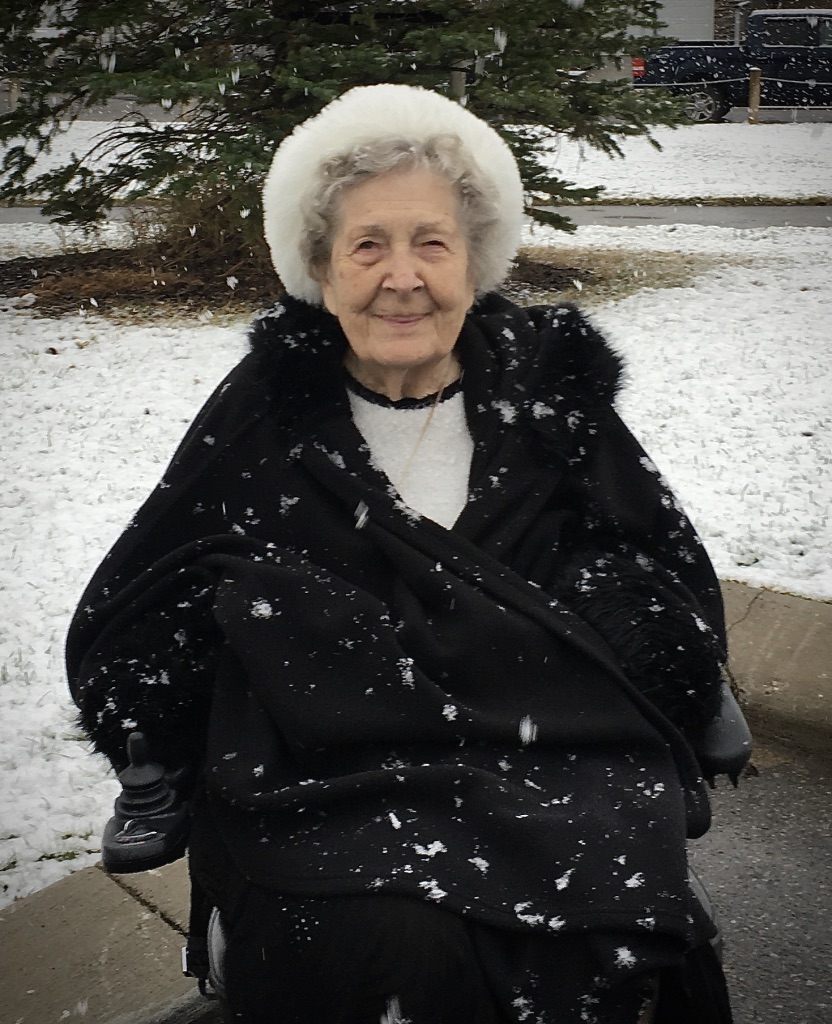
    On Mother’s Day, I want to thank my mother for helping to orchestrate this memory. She is a woman with good instincts who understands the human need for connection.