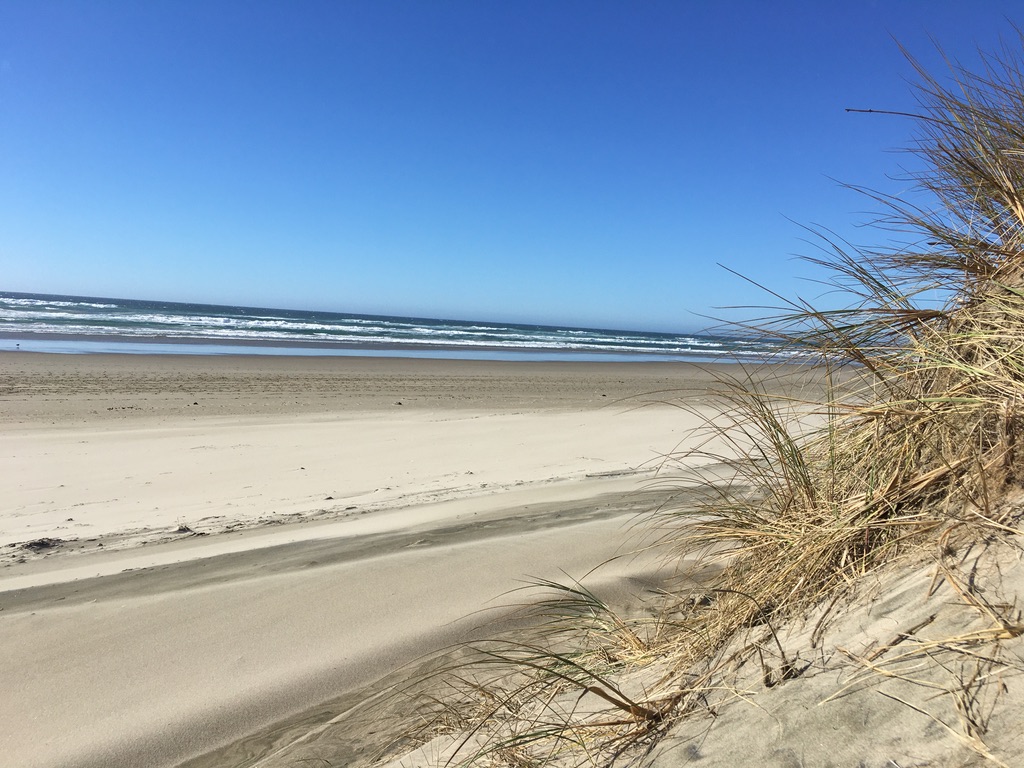
• Oregon coast north of Florence Susan Palmer

    It’s easy to get tugged off course. But I want to hold in mind what matters to me even as I’m engaged in the daily bustle. I want to be more conscious about the choices I make. Today I’m thinking about refugees held in horrific conditions in Libya. I know about this because reporters took time to research and took risks to provide a window into a brutal reality. The New Yorker published “The Secretive Prisons” last week. I’m grateful for this effort. It reminds me, once again, why journalists matter.

    And that brings me to poet John Donne’s thoughts about human connection:

    No man is an island, entire of itself; every man is a piece of the continent, a part of the main; if a clod be washed away by the sea, Europe is the less, as well as if a promontory were, as well as if a manor of thy friend’s or of thine own were; any man’s death diminishes me, because I am involved in mankind, and therefore never send to know for whom the bell tolls; it tolls for thee.

    Awareness first.

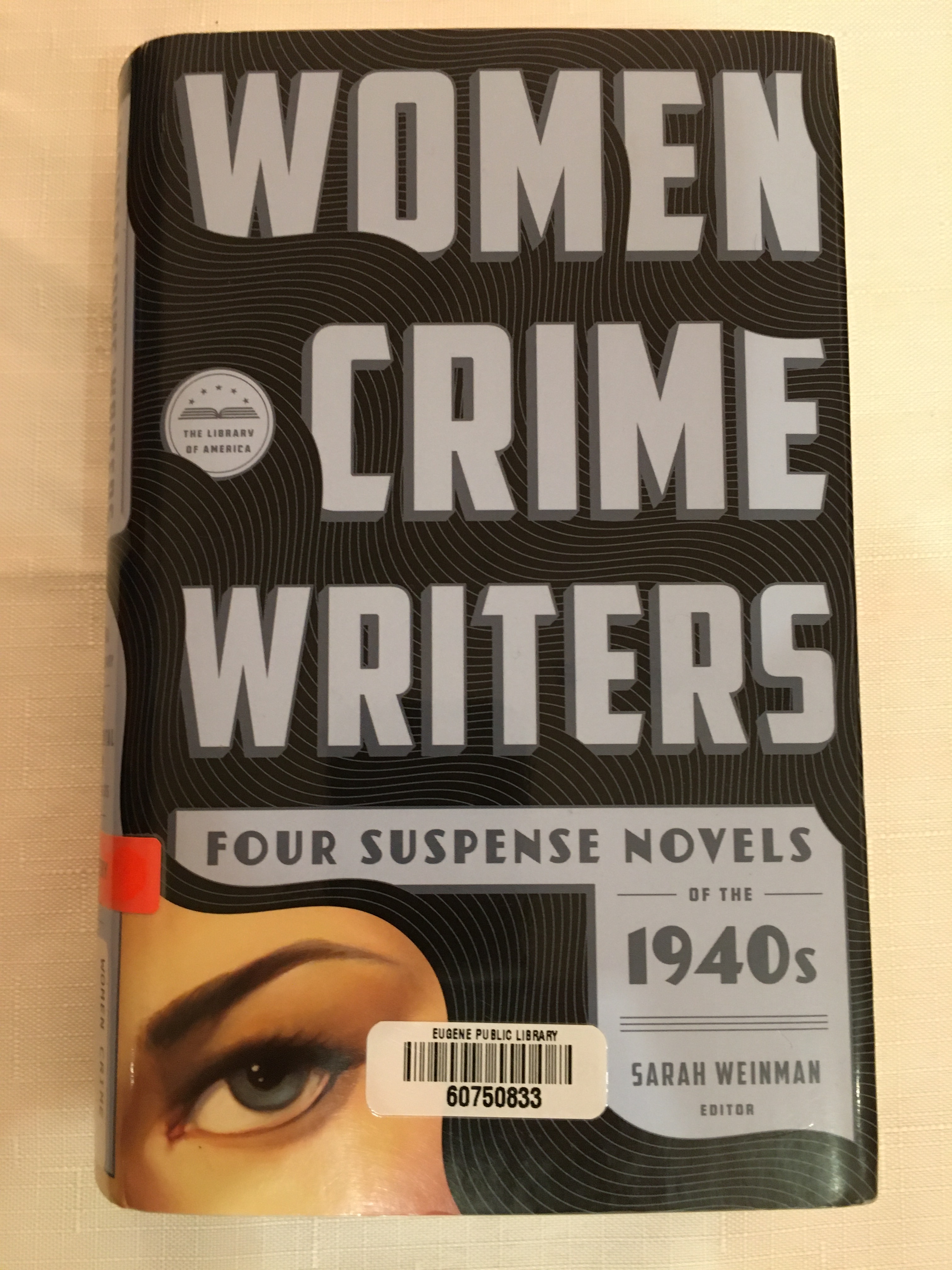
  • Browsing the fiction stacks at the local library, I stumbled on this collection of 1940s era crime novels by female authors. They are interesting products of their time, each story focused deeply on the inner life of the characters, and two of them told from the point of view of the criminal. World War II is a backdrop. Some characters are veterans, others are coping with the challenges of gas and food rationing, a thing I had forgotten about that complicated people’s lives at that time. In “Laura,” author Vera Caspary uses multiple viewpoints and a surprising twist on the mistaken-identity trope for a very satisfying read. In “The Blank Wall,” Elisabeth Sanxay Holding presents a morality tale where a criminal’s behavior has more to recommend it than the morally upright mother of two around whom the action swirls. I’m glad to know these authors and these stories. I like being aware of how narratives shift as culture shifts. Thanks Sarah Weinman for pulling these stories together. Weinman, whose web site is a great compendium of crime stories, has another anthology of ’50s-era novels that is also on my list.

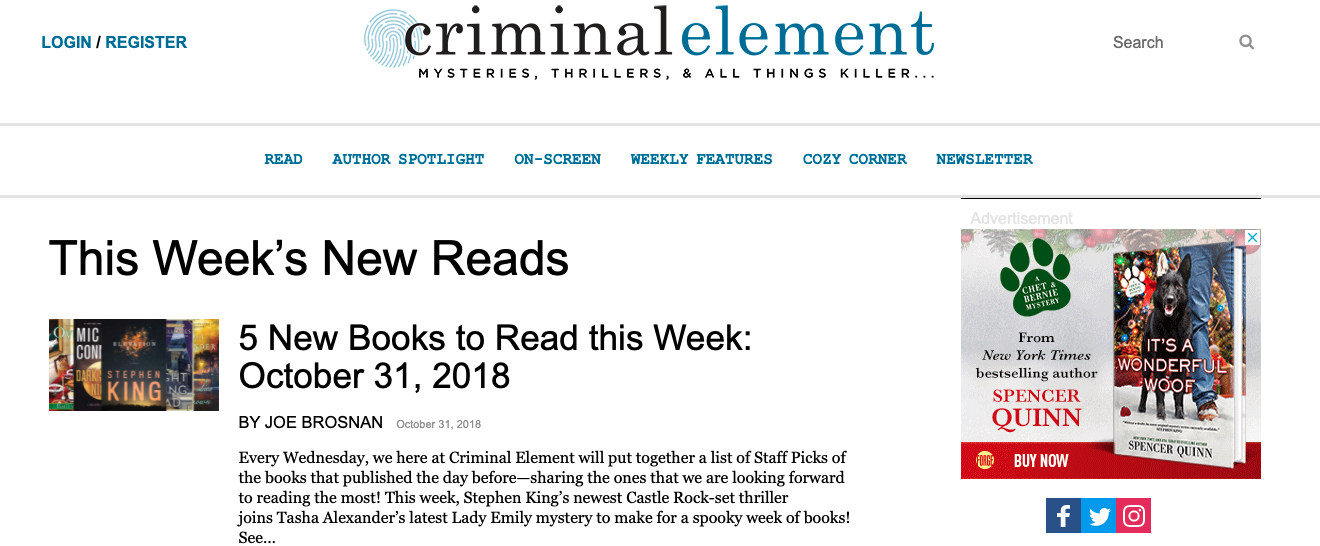
  • Found a fine website devoted to informing the fans of crime fiction. Its information includes looks back at the beginnings of the genre forward to contemporary reads. Here’s what the web site’s authors say about their goal: We are dedicated to bringing you a wide range of crime-related content—from the coziest mystery to the most hardcore noir and everything in between. We are publisher-neutral in our selection of books, authors, and materials for coverage and discussion.

    I like what I’ve seen so far, particularly the bios of some of the early practitioners of the genre. Happy browsing